
Patient information
Quick-reference guides for before and after your procedure. Questions? Call Robina (07) 5612 5200 or Tweed Heads (07) 5612 5222.
Eye tests explained
OCT, angiography, visual fields, Pentacam and more, plus an Amsler grid to check at home.
Articles
Plain-language articles on common eye questions.
Your visit
What to bring, parking, transport and payment.
Before and after your procedure
Gas bubble safety card
- No flying while gas is in the eye
- No scuba diving or high-altitude travel (above 1,000 m)
- No nitrous oxide: tell any doctor, dentist or anaesthetist
- No driving until Dr Weaver says your vision is safe
- Wear your gas wristband until the gas has absorbed, and carry this card
Macular hole posturing
- Look at the floor, not the ceiling
- Use the 15-minute break for meals and the bathroom
- Sleep face-down or on your side, not your back
- Face cradles and mirrors are available
- Wear your gas wristband until the gas has absorbed; no flying
Intravitreal injection aftercare
- Use any drops exactly as prescribed
- Avoid rubbing the eye today
- Avoid swimming, spas and dusty places for 48 hours
- A gritty, irritated eye, a red patch or new floaters are common and settle
- Drive the next day once vision is comfortable
Cataract surgery aftercare
- Use all drops as prescribed, usually 4 times a day for 4 weeks
- Pad and shield on the first day, then the shield at night for 1 week
- No driving on the day of surgery
- No swimming or eye make-up for 2 weeks
- New glasses, if needed, at about 4 weeks
Vitrectomy & retinal surgery aftercare
- Your first check is the day after surgery
- Posture exactly as instructed if you have a gas bubble
- No flying, high altitude or nitrous oxide while gas is present
- Use drops as prescribed, usually for about 4 weeks
- Wear the eye shield at night for 1 week
- Avoid heavy lifting, strenuous exercise and swimming for 2 weeks
- No driving until Dr Weaver confirms your vision is adequate
Pterygium surgery aftercare
- The eye pad is usually removed the next day
- Use drops as prescribed, often for several weeks
- Grittiness and redness for 1–2 weeks are normal
- Do not rub the eye; avoid swimming and dusty places for 2 weeks
- Wear sunglasses outdoors to help prevent regrowth
Refractive lens exchange aftercare
- Use all drops as prescribed, usually for 4 weeks
- Wear the eye shield at night for 1 week
- No driving until your vision meets the driving standard
- No swimming or eye make-up for 2 weeks
- Halos around lights can take weeks to settle
- Your second eye is usually treated 1–2 weeks later
Condition guides
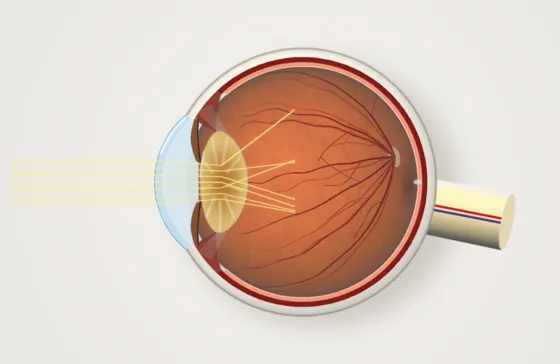
Cataract surgery
Clouding of the natural lens. Surgery replaces it with a clear lens implant chosen to suit your eyes and lifestyle.
Learn more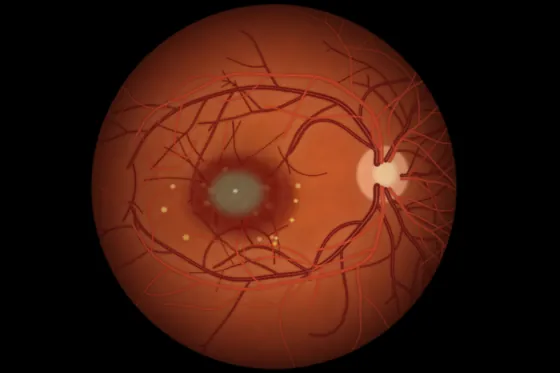
Macular degeneration
Affects the centre of your retina, which you use for reading, faces and fine detail. Dry AMD usually changes slowly; wet AMD can change quickly, and treatment is available for many people.
Learn more Urgent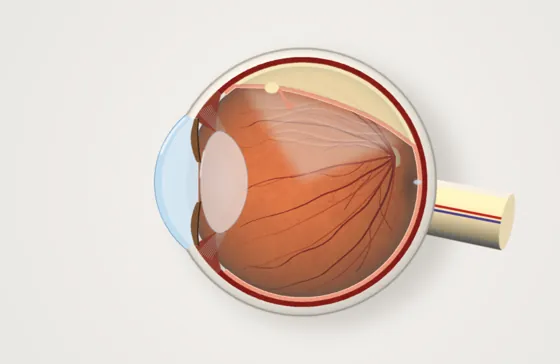
Retinal detachment
The retina lifts away from the back of the eye. It is an emergency, and in many cases it can be repaired with surgery.
Learn more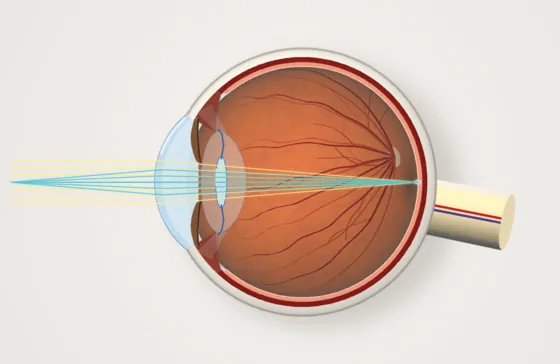
Reducing reliance on glasses
After 40 the focusing lens inside the eye stiffens. Lens-based surgery can reduce how often you need glasses.
Learn moreTalk to Dr Weaver about your eyes
A referral from your GP or optometrist is needed to claim Medicare rebates. Our team can help with bookings at Robina and Tweed Heads.