
Eye conditions treated on the Gold Coast & Tweed Heads
From cataracts to complex retinal surgery. Start with your symptom, or choose a condition for a short overview, illustrations and the detail.
Not sure what it’s called?
Start with your symptom. This is a guide only; if in doubt, call the rooms.
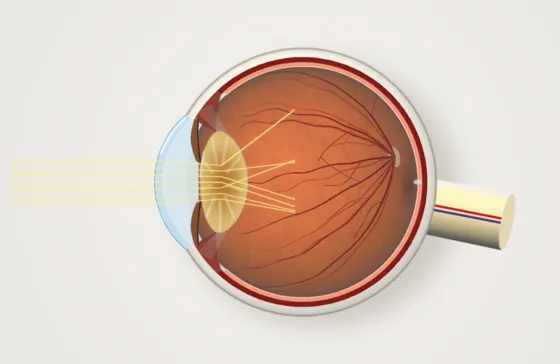
Cataract surgery
Clouding of the natural lens. Surgery replaces it with a clear lens implant chosen to suit your eyes and lifestyle.
Learn more Urgent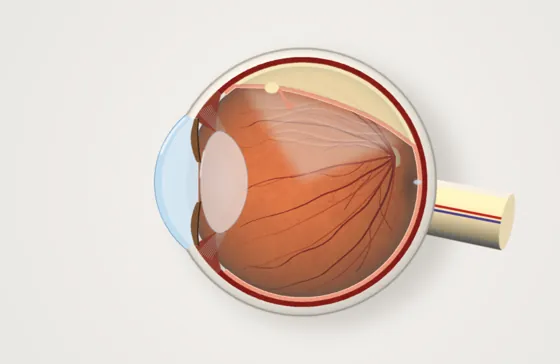
Retinal detachment
The retina lifts away from the back of the eye. It is an emergency, and in many cases it can be repaired with surgery.
Learn more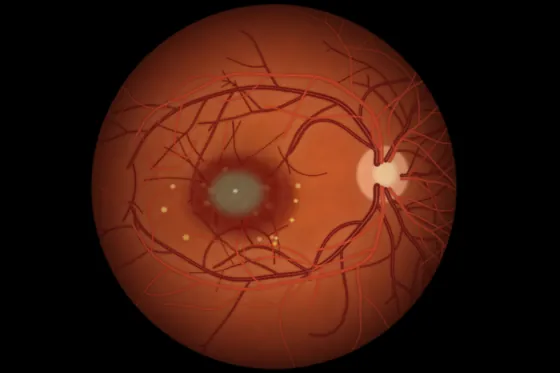
Macular degeneration
Affects the centre of your retina, which you use for reading, faces and fine detail. Dry AMD usually changes slowly; wet AMD can change quickly, and treatment is available for many people.
Learn more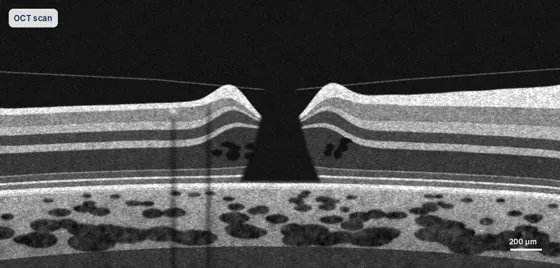
Macular hole
A small hole in the centre of the retina. It blurs and distorts central vision, making reading and faces hard to see. Surgery closes the hole in most people.
Learn more Urgent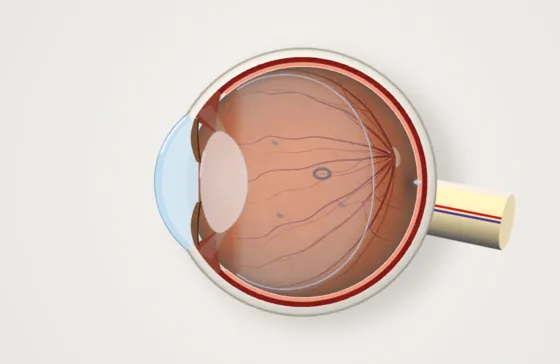
Floaters & flashes
Most floaters are harmless. A sudden shower of new floaters or flashes needs an urgent check for a retinal tear.
Learn more Urgent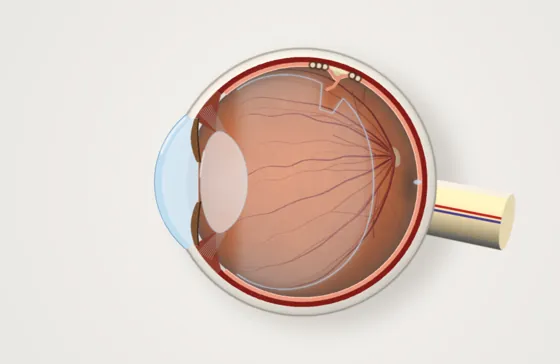
Retinal tear
A break in the retina, usually caused by the vitreous gel pulling away. Prompt laser treatment lowers the risk of retinal detachment.
Learn more UrgentPosterior vitreous detachment
A common age-related change in which the gel separates from the retina. New symptoms always need a check.
Learn more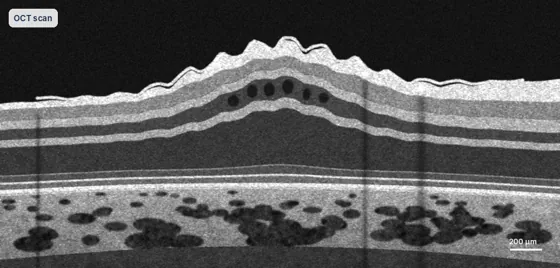
Epiretinal membrane
A thin layer of scar tissue on the surface of the macula that wrinkles the retina and distorts vision.
Learn more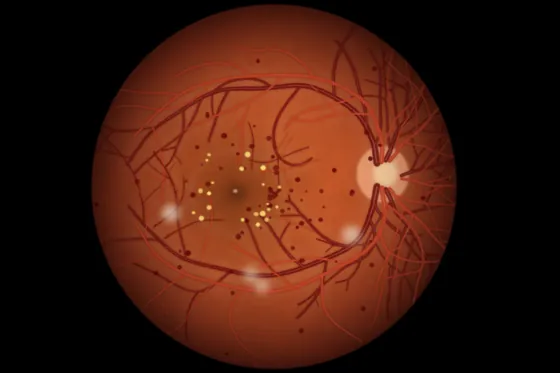
Diabetic retinopathy
Damage to the small blood vessels of the retina from diabetes. Finding it early and treating it helps protect sight.
Learn more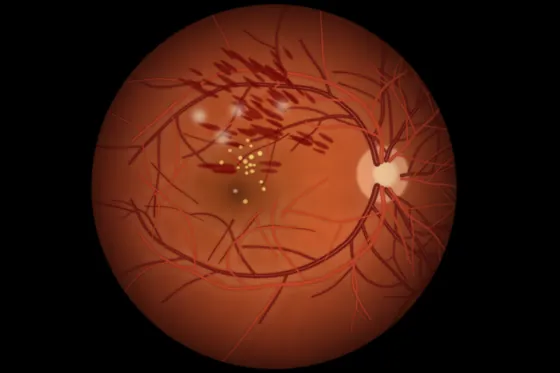
Retinal vein occlusion
A blockage in one of the veins draining the retina, causing bleeding and swelling.
Learn more Urgent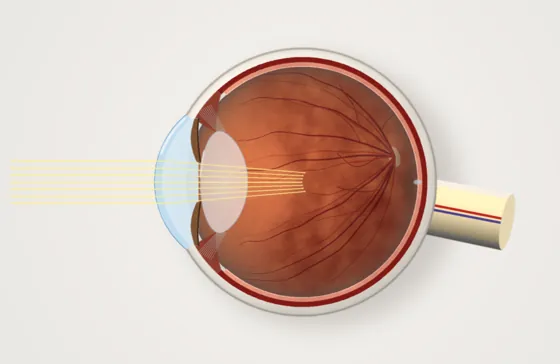
Vitreous haemorrhage
Bleeding into the gel inside the eye, causing sudden haze, dark floaters or loss of vision.
Learn more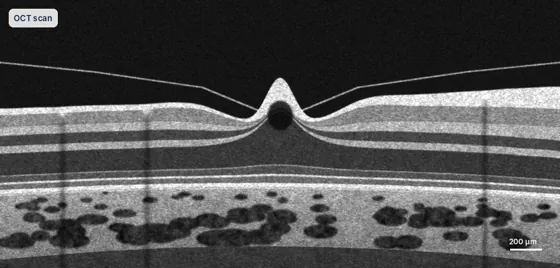
Vitreomacular traction
The vitreous gel stays stuck to the macula and pulls on it, distorting vision.
Learn more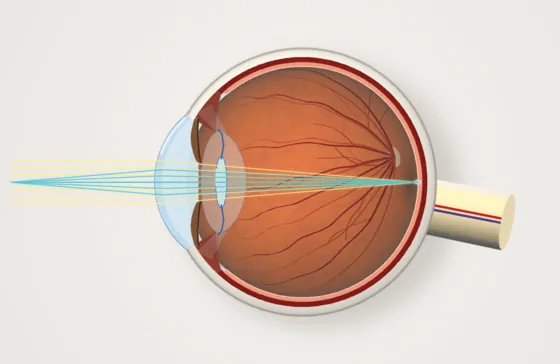
Reducing reliance on glasses
After 40 the focusing lens inside the eye stiffens. Lens-based surgery can reduce how often you need glasses.
Learn more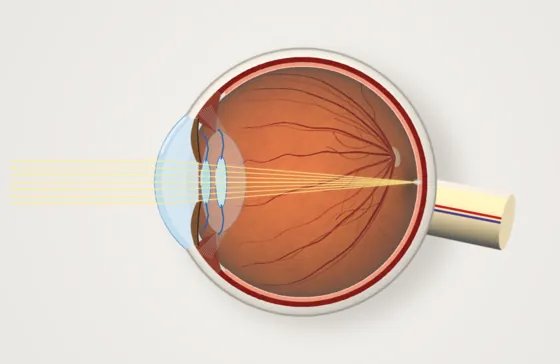
IOL exchange & piggyback lens
Help when a lens implant has not given the result expected, such as the wrong focus or unwanted images.
Learn more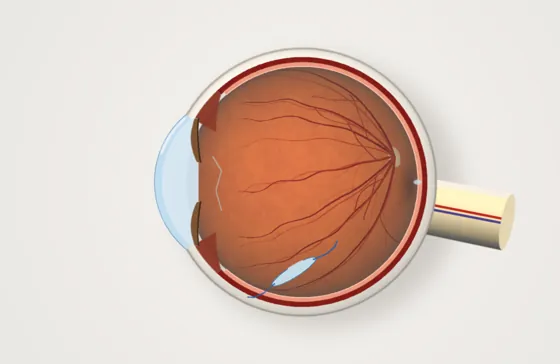
Dislocated IOL & sutured lens
Repositioning or replacing a lens implant that has moved, including scleral-fixated and sutured lenses.
Learn more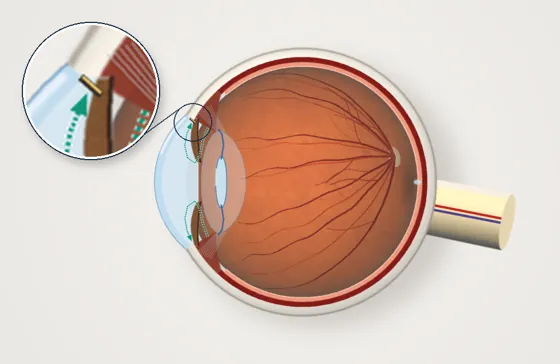
Glaucoma & MIGS
Glaucoma damages the optic nerve, usually with raised eye pressure. For suitable people having cataract surgery, MIGS can help lower pressure at the same time.
Learn more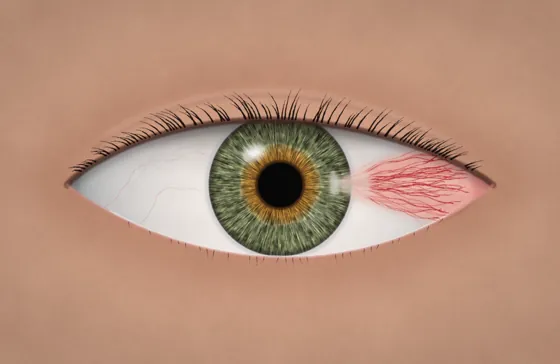
Pterygium surgery
A fleshy growth from the white of the eye onto the cornea, common in sunny, outdoor climates.
Learn more Urgent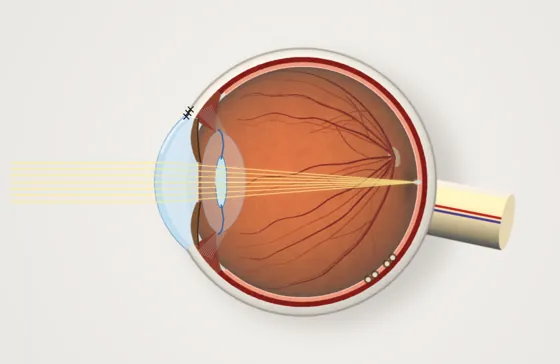
Ocular trauma reconstruction
Surgical repair of the eye after injury, from penetrating injuries to foreign bodies inside the eye.
Learn more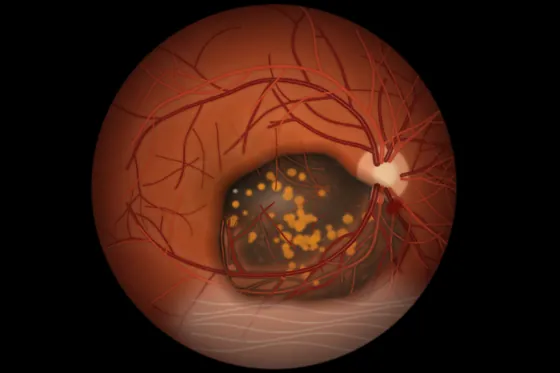
Ocular oncology
Assessment and monitoring of freckles (naevi) and other growths inside the eye.
Learn more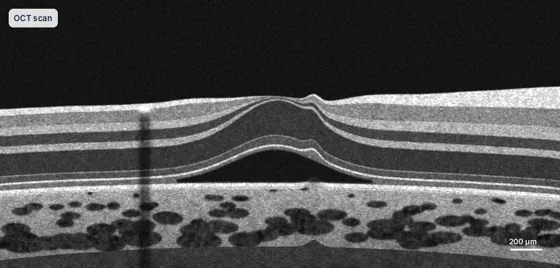
Central serous chorioretinopathy
Fluid collects under the macula, often in adults aged 30–50, blurring or dimming central vision.
Learn more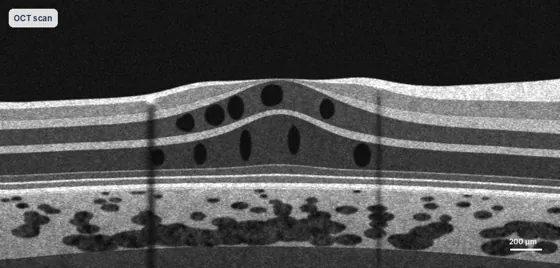
Macular oedema
Swelling of the macula from leaking blood vessels, caused by diabetes, vein occlusion, inflammation or surgery.
Learn more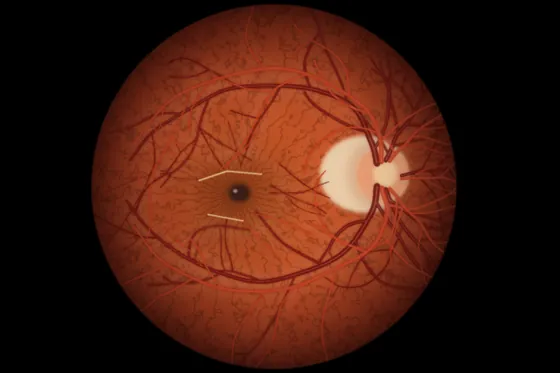
Pathological myopia
High short-sightedness stretches the eye, thinning the retina and raising the risk of tears, detachment and bleeding at the macula.
Learn more Urgent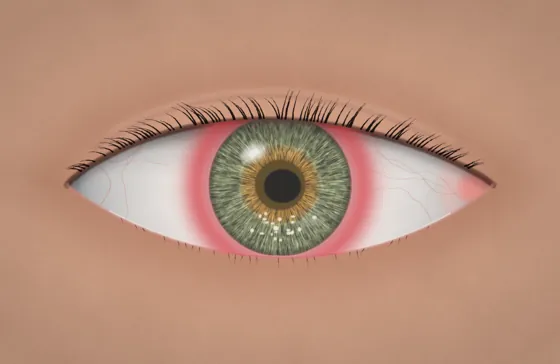
Uveitis
Inflammation inside the eye, which can cause a red, painful, light-sensitive eye or new floaters and blur.
Learn more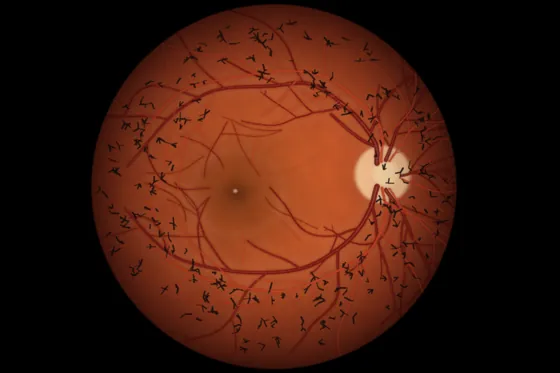
Inherited retinal disease
Genetic conditions such as retinitis pigmentosa and Stargardt disease that gradually affect the retina.
Learn moreTalk to Dr Weaver about your eyes
A referral from your GP or optometrist is needed to claim Medicare rebates. Our team can help with bookings at Robina and Tweed Heads.